The birth of Neo-Tokyo

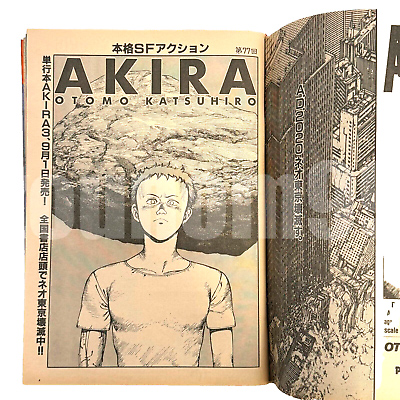
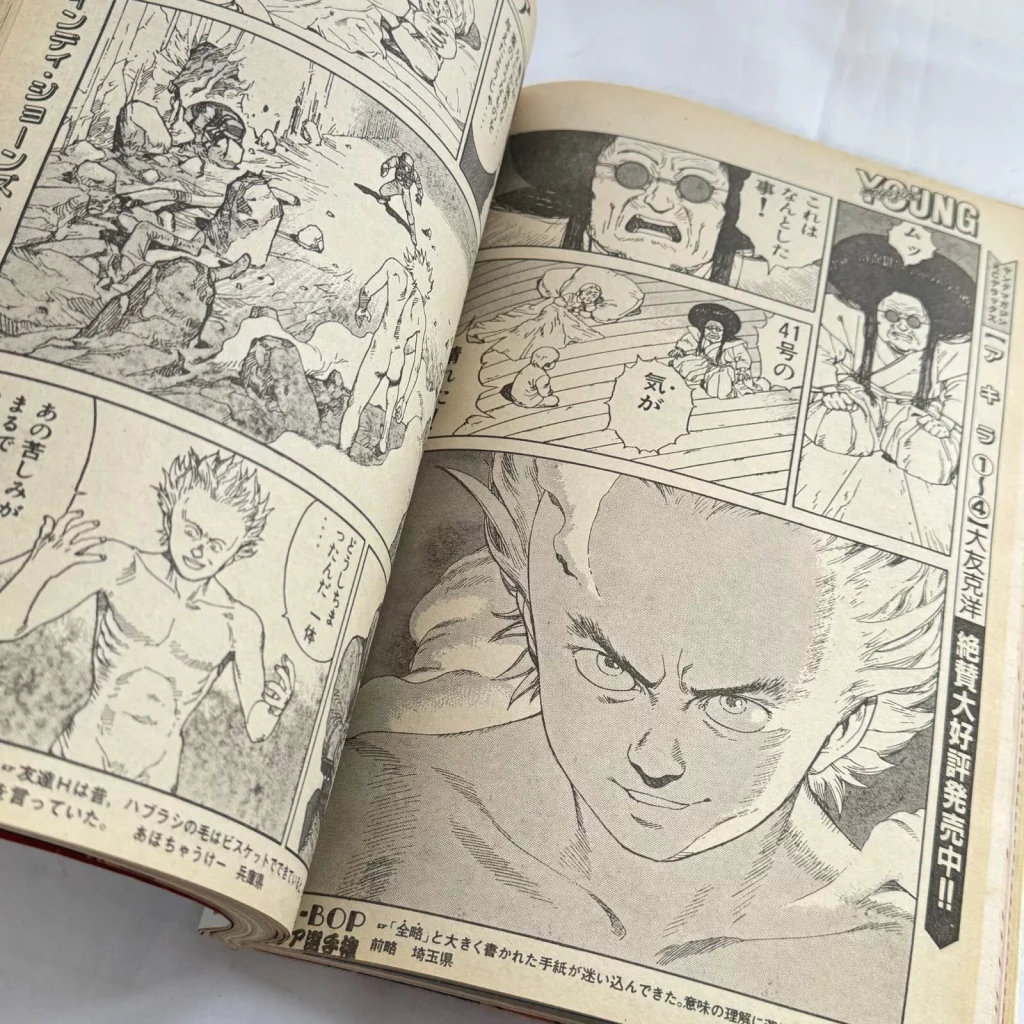
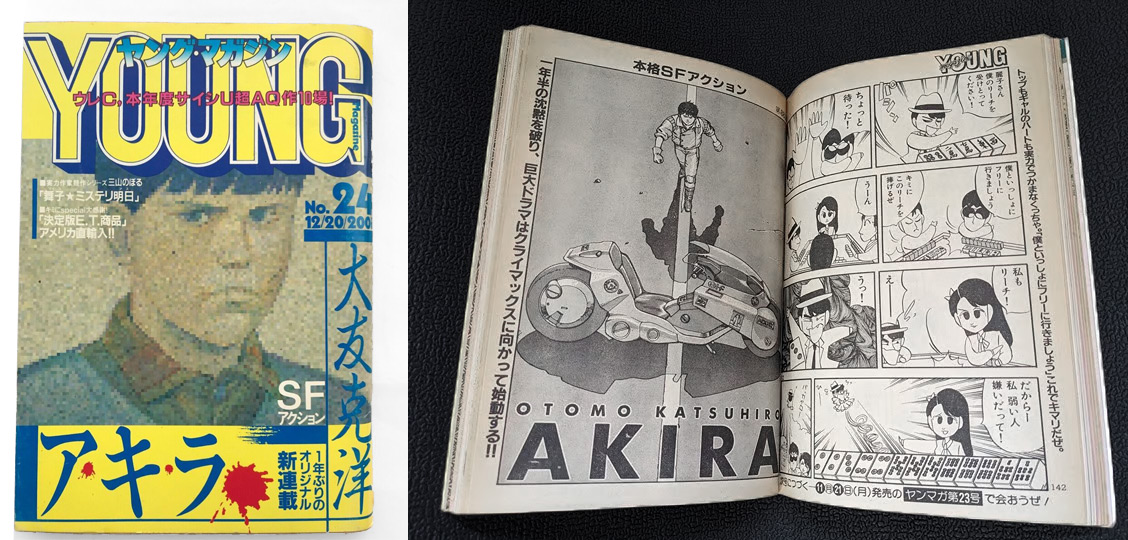
Published on December 20, 1982, the first chapter of Akira in Young Magazine, a seinen publication geared for adult male readers, starts the narrative of Akira. Young Magazine (週刊ヤングマガジン), issued by Kodansha, provided Otomo’s dark, nuanced vision the ideal venue where he may explore topics too sophisticated for mainstream manga outlets, hence enabling his creative freedom.

Otomo did not fall into making Akira on his own. He has said in interviews that the seeds were sown during his earlier work on Fireball, a shorter piece where he felt confined by page counts. Otomo once noted, “I desired to tell that story properly; hence Akira evolved.” Over 2,000 pages of narrative spread over almost eight years would eventually result from this demand for narrative breathing room.

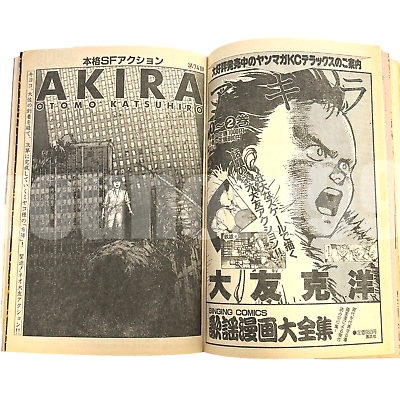
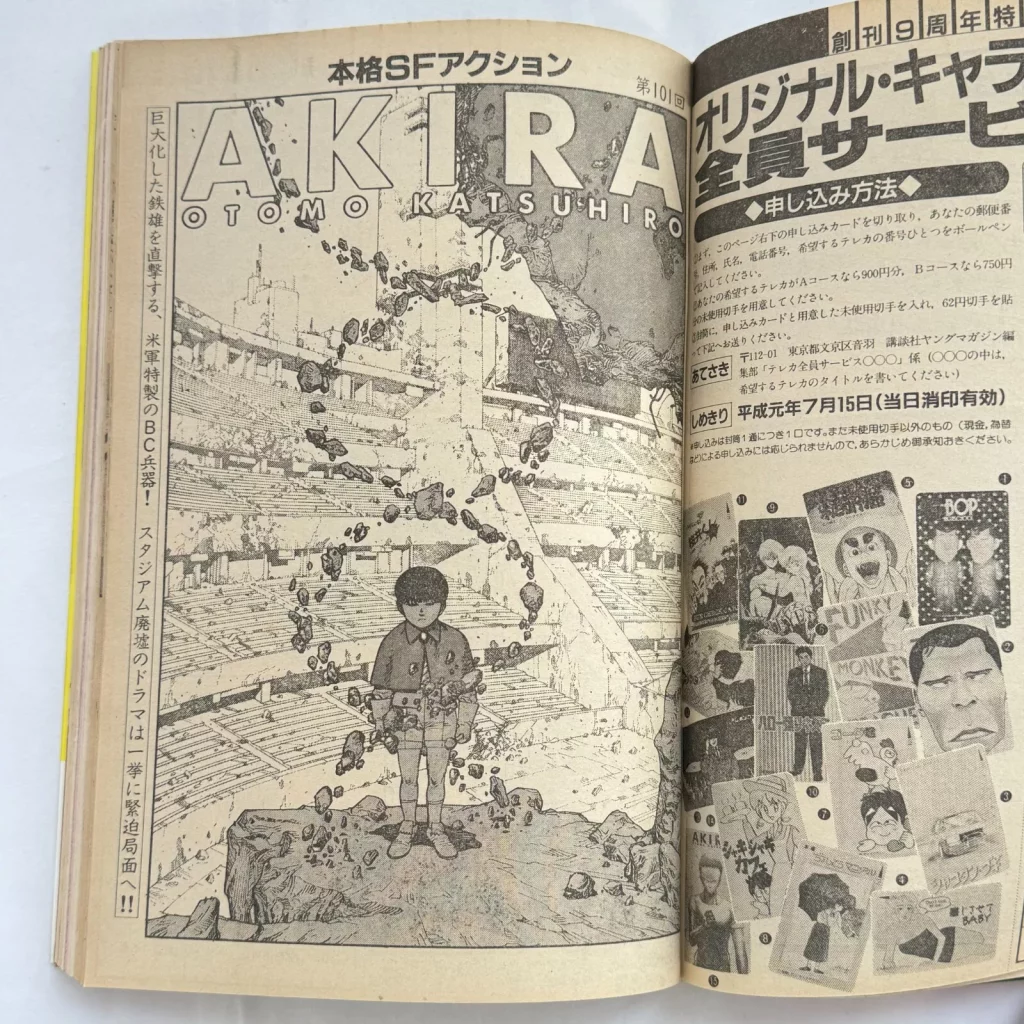
The serialization followed what we’d now recognize as a grueling schedule. Each new installment (called an “episode”) ranged from 15-26 pages and featured a unique title illustration created specifically for that chapter. In total, Akira comprised 120 episodes, concluding on June 25, 1990—remarkably, almost two years after the animated film adaptation had already been released and achieved international acclaim.

For Japanese readers following along in real-time, keeping up with Akira wasn’t particularly expensive by today’s standards. Each issue of Young Magazine cost about ¥180 (approximately $3.81 in 1980s US dollars), though the emotional investment was considerably higher as fans had to endure the agonizing wait between installments of Otomo’s increasingly complex narrative.

Akira Manga Series

From magazine to volumes: the Japanese editions

Kodansha started compiling the chapters into bigger volumes—a typical custom in manga publishing—as the serialization advanced. These tankbon collections let new readers get up...

Crossing the Pacific: The Epic Comics Era

Almost as interesting as the manga itself is Akira's Western audience adventure. The anime movie was a worldwide hit in 1988 and sparked never...

The Dark Horse era and beyond

Dark Horse Comics bought the license in the middle of the 1990s, following Epics rights to Akira. Their strategy departed greatly from Marvel's daring...

Global reach: international editions

While the Japanese and English-language publications form the core of Akira's publishing history, the manga has been translated into numerous other languages, each with...

The collector’s dilemma: Akira editions and variations

Keeping track of all the variations and special editions released has turned into a pastime in and of itself for genuine Akira manga collectors....

AKIRA: Dark Horse series

In association with Kodansha Ltd. and Studio Proteus, Dark Horse has gathered one of the crown jewels of graphic fiction. Collected in six massive volumes, Akira has been reproduced in its original, black-and-white majesty as never-before-seen in an English-translated edition. If you love manga, this edition must be represented in your collection.

AKIRA Vol. 1

Published on December 13, 2000

AKIRA Vol. 4

Published on September 19, 2001

AKIRA Vol. 2

Published on March 28, 2001

AKIRA Vol. 3

Published on June 27, 2001

AKIRA Vol. 5

Published on December 19, 2001

AKIRA Vol. 6

Published on March 27, 2002

1. The Birth of Neo-Tokyo

The story begins in "Young Magazine", 1982

2. The Japanese Editions

Kodansha released several editions in Japan

3. The Epic Comics Era

Akira's journey to Western audiences is fascinating.

4. The Dark Horse Era and Beyond

Dark Horse Comics took the license in the mid-1990s

5. Global Reach: International Editions

The manga has been translated into many languages

6. Editions and Variations

The collection dilemma